
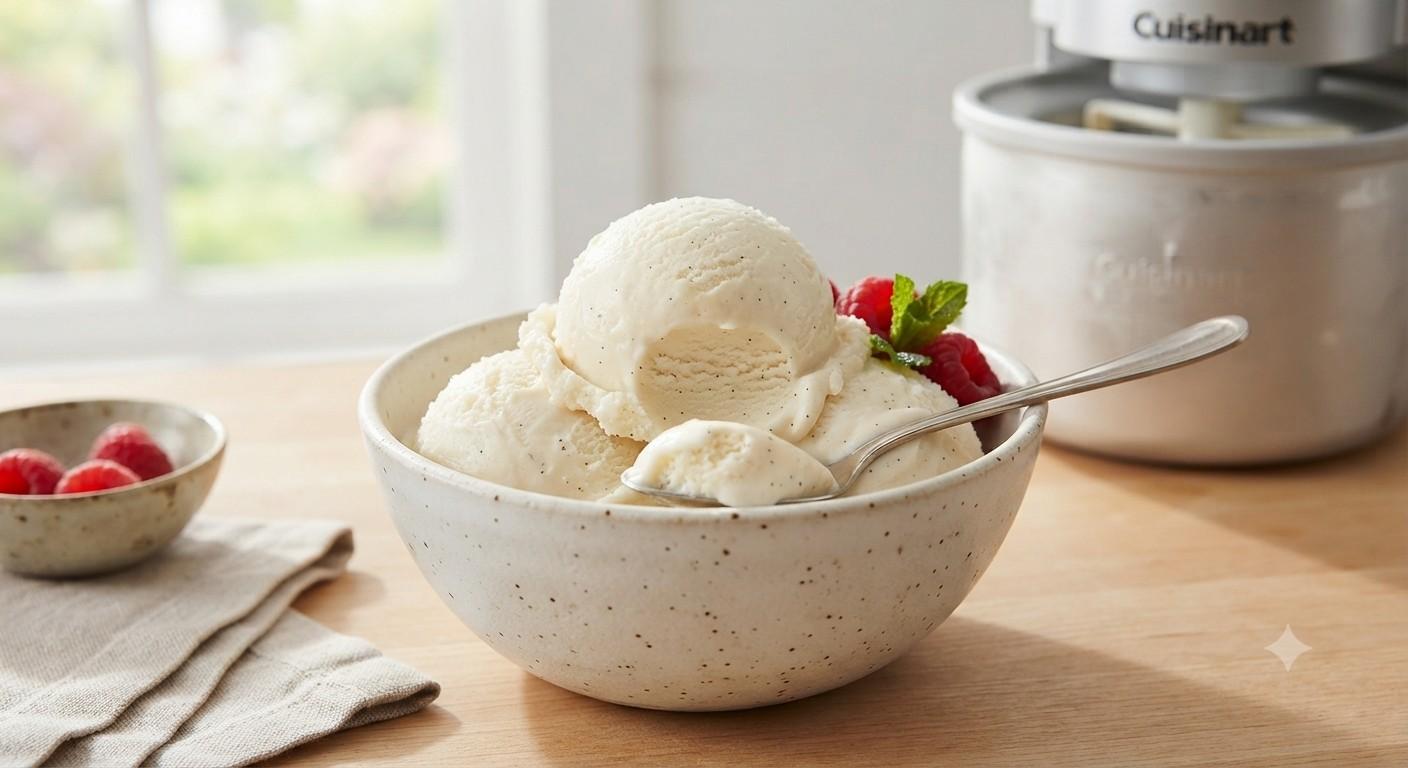
Creating the perfect scoop of ice cream at home is an art form. While it feels like a simple indulgence, even the most passionate home cooks encounter frustrating texture issues, from icy crystals to soupy bases.
If you are looking to elevate your dessert game, you are likely wondering how to achieve that professional, creamy consistency without a commercial-grade machine. In this guide, we dive into the science of homemade ice cream, helping you troubleshoot common mistakes and master the craft.
The Core Difference: Ice Cream vs. Gelato vs. Frozen Yogurt
Before you churn, it’s vital to understand what you are making. While these terms are often used interchangeably, their technical differences significantly impact your recipe’s success:
- Ice Cream: By US and many international standards, this must contain at least 10% milk fat. It relies on a high-fat base and a churn rate that incorporates air, leading to a light, fluffy texture.
- Gelato: A lower-fat alternative to traditional ice cream. It is churned more slowly to incorporate less air, resulting in a denser, silkier mouthfeel.
- Frozen Yogurt: Uses a cultured yogurt base, providing a distinctively tangy flavor and a smoother, but often less stable, texture.
Internal Link Opportunity: Check out our [Beginner’s Guide to Choosing an Ice Cream Maker] to see which machine type suits your kitchen space and budget.
Troubleshooting: Why Isn’t My Ice Cream Creamy?
If your batch turned out icy, grainy, or hard as a rock, don’t worry. Most “failures” are simply chemistry issues that can be fixed with these adjustments.
1. Preventing Large Ice Crystals
Large crystals form when the base freezes too slowly.
- The Fix: Ensure your base is chilled to below 4°C (40°F) before it ever touches the machine. If you are using a freezer-bowl machine, freeze the bowl for at least 24 hours—it should be “solid” with no sloshing sound when shaken.
2. My Custard Looks Like Scrambled Eggs
This happens when the egg yolks are overcooked during the tempering process.
- The Fix: Never let your custard boil. Use a heavy-bottomed saucepan over medium-low heat, stirring constantly with a rubber spatula. Once it coats the back of the spoon (around 82°C/180°F), remove it from the heat immediately.
3. The “Brick” Effect (Too Hard to Scoop)
If your ice cream is impossible to scoop straight from the freezer, your sugar or fat ratio is likely off.
- The Fix: Sugar acts as an antifreeze. If your recipe is too lean, it will freeze into a solid block. Ensure your base has roughly 14-16% sugar by weight to maintain a scoopable consistency.
2026 Trends: The Future of Your Freezer
As we navigate 2026, the home ice cream scene is moving beyond just “vanilla and chocolate.” Keep these trends in mind if you want your blog content to stay ahead of the curve:
- “Soft Wellness” Add-ins: Incorporating protein-rich or fiber-heavy mix-ins that support balance without sacrificing the indulgence of the treat.
- Global Flavors: Experimenting with base infusions like matcha, salted butter, or Middle Eastern-inspired baklava spices.
- Textural Contrast: Adding crunch through artisanal inclusions (like toasted nuts or cocoa nibs) that are folded in after the initial churn.
Frequently Asked Questions (FAQ)
Can I make ice cream without a machine?
Yes! You can use the “no-churn” method by whipping heavy cream until stiff peaks form and folding it into a base of sweetened condensed milk. It won’t have the same aeration as a churned batch, but it is incredibly creamy.
How long does homemade ice cream last in the freezer?
Because homemade ice cream lacks the commercial stabilizers of store-bought brands, it is best eaten within 7–10 days. Store it in an airtight container, and place a piece of parchment paper directly on the surface to prevent ice crystals from forming.
Why is my ice cream bland when frozen?
Cold temperatures dull your taste buds. A base that tastes perfect at room temperature will often taste bland when frozen. Don’t be afraid to increase your extract or flavorings by 25–50% to ensure the flavor profile survives the freezing process.
For further reading on mastering specific flavor profiles, explore our [Advanced Ingredient Guide for Dairy-Free Bases] to expand your repertoire beyond traditional milk and cream.