
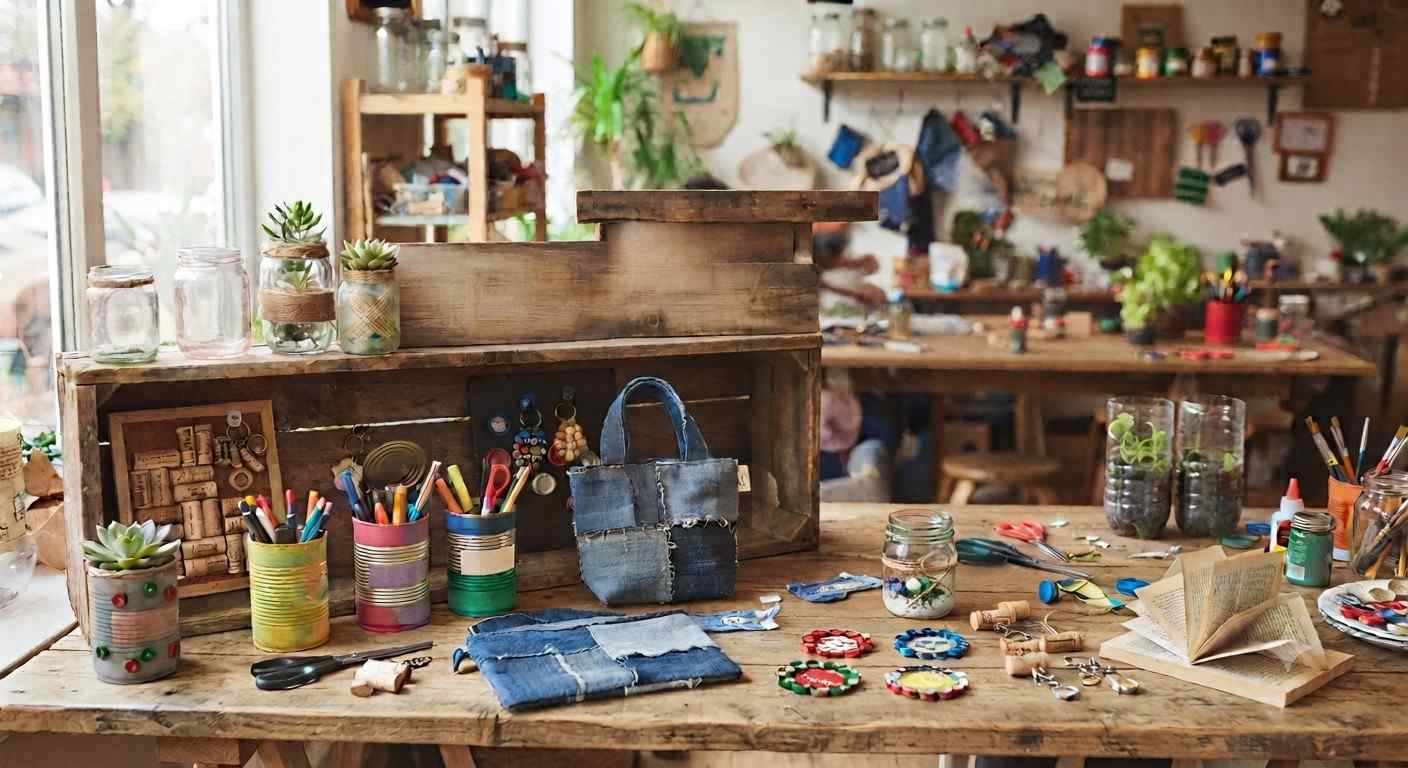
In a world increasingly driven by constant consumption, the most sustainable item you own is often the one you already have. Embracing a reuse-first mindset isn’t just about saving money; it is about reducing waste and cultivating a more intentional, curated lifestyle. When we look at everyday objects not as trash, but as potential, we unlock a world of creative possibilities.
Whether you are looking to declutter your space or simply want to live more sustainably, repurposing items is a rewarding endeavor. By seeing the hidden functionality in “junk,” you transform your living environment while lightening your impact on the planet.
Why Embracing Reuse Matters
The core of a sustainable home lies in extending the lifecycle of materials. When you choose to reuse, you bypass the energy-intensive process of manufacturing new products and the waste generated by shipping and packaging. This practice, often referred to as “upcycling,” turns forgotten items into functional pieces of art or utility.
Focusing on reuse allows you to build a home filled with character. Mass-produced items often lack the personal history and unique charm that repurposed goods possess. By intentionally choosing to give an item a second act, you create a narrative within your own home.
Creative Reuse Ideas for Every Room
1. Glass Jars: The Ultimate Utility
Glass jars are perhaps the most versatile item in any household. Instead of recycling them, consider these functional upgrades:
- Pantry Organization: Use them for bulk dry goods like grains, pasta, or spices. They keep your pantry airtight and allow you to see exactly what you have at a glance.
- Stationery Storage: Jars are perfect for corralling pens, markers, and scissors on a desk.
- Plant Propagation: A clean jar filled with water is an ideal vessel for propagating plant cuttings.
2. Old Textiles and Clothing
If you have clothes that are stained or worn beyond repair, they still have value as raw material.
- Cleaning Rags: Natural fibers like cotton are excellent for cleaning surfaces around the house. Simply cut them into manageable squares.
- Draft Stoppers: Fill an old pair of long socks or a sleeve with dried beans or rice, sew the ends shut, and place them at the base of drafty doors to improve energy efficiency.
3. Cardboard Boxes: Hidden Potential
While recycling cardboard is better than throwing it in the trash, reusing it for organization is even better.
- Drawer Dividers: Cut sturdy cardboard to fit inside your drawers to organize socks, accessories, or office supplies. Wrapping the cardboard in scrap fabric or decorative paper adds a professional finish.
- Storage Totes: For items kept in closets, simple boxes serve as perfect storage containers. Label them clearly to keep your space tidy.
4. Furniture Refinishing
Before discarding a chair or a side table that looks dated, assess its structure. If the piece is sturdy, it likely just needs a new finish.
- Refinishing Surfaces: Sometimes a light sanding and a fresh coat of low-VOC paint or natural oil can completely transform a piece of furniture, making it look modern and refreshed.
- Hardware Swaps: Simply replacing old drawer pulls or cabinet knobs can modernize a piece of furniture instantly without the need for structural changes.
Guidelines for Successful Repurposing
To make your reuse projects both successful and aesthetically pleasing, keep these expert tips in mind:
- Assess Functionality First: Before starting a project, ask yourself: “Do I actually need this, or am I just saving clutter?” Only repurpose items that will serve a genuine purpose.
- Clean Thoroughly: Any item destined for a new role must be cleaned properly. Whether it is removing labels from jars or laundering old textiles, a clean start is essential.
- Prioritize Safety: If you are repurposing containers that once held chemicals or food, ensure they are thoroughly cleaned and non-toxic for their new intended use.
- Embrace Imperfection: Part of the charm of reused items is their history. Do not feel pressured to make every project look like it came from a retail store. The “handmade” aesthetic is part of the value.
Frequently Asked Questions (FAQ)
How can I tell if an item is worth keeping for a reuse project?
Ask yourself if the item is functional, structurally sound, and if you have a clear plan for its new use. If an item is merely “potential” but lacks a specific role in your home, it may be better to donate it or recycle it.
What are the best materials for beginners to start with?
Glass jars, wooden crates, and old cotton clothing are excellent starting points. They require minimal tools to repurpose and have immediate utility in organization and daily home maintenance.
How do I keep my home from feeling cluttered while saving items?
The secret is to have a designated “parts” or “craft” box. Keep your stash of reusable materials contained and organized. If the collection grows beyond the capacity of the box, it is time to use the items or recycle them.
Can repurposing items save money in the long run?
Absolutely. By using what you already have to organize your space or create home decor, you significantly reduce the need for purchasing new storage solutions, decorative items, or cleaning supplies.