Understanding Thalassemia: Symptoms, Causes, and Management
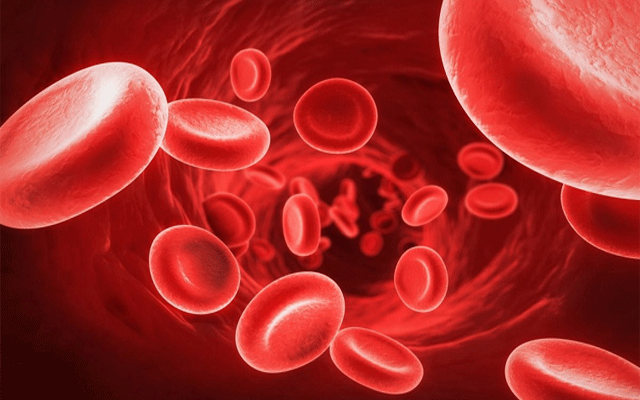
Thalassemia is an inherited blood disorder that affects the body’s ability to produce healthy hemoglobin. Hemoglobin is the vital protein in red blood cells that carries oxygen to all parts of the body. When the body does not produce enough hemoglobin, red blood cells do not function properly and survive for shorter periods, leading to a shortage of healthy red blood cells, commonly known as anemia.
Understanding this condition is the first step for families navigating a diagnosis or managing the trait. Because it is a genetic condition, awareness is essential for long-term health and family planning.
What Causes Thalassemia?
Thalassemia is passed from parents to children through genes. It occurs due to mutations in the DNA of cells that make hemoglobin. These mutations are inherited, meaning if one or both parents carry the gene, they can pass it on to their children.
There are two primary types of thalassemia:
- Alpha Thalassemia: Involves the alpha globin protein chains. The severity depends on how many mutated genes are inherited.
- Beta Thalassemia: Involves the beta globin protein chains. This type is very common and ranges from mild (thalassemia minor) to severe (thalassemia major).
Recognizing Thalassemia Symptoms
Symptoms vary significantly depending on the type and severity of the disorder. While individuals with the “trait” or “minor” form often show no symptoms at all, those with severe forms may experience noticeable health challenges.
Common Signs in Children and Adults
- Persistent Fatigue: Feeling tired or weak even after resting is a hallmark of anemia caused by low hemoglobin.
- Pale Skin: A washed-out appearance, especially in the palms, fingernails, or inner eyelids.
- Slow Growth: Children with severe thalassemia may experience delayed growth or failure to gain weight as expected.
- Yellowish Skin (Jaundice): A yellow tinge in the skin or eyes can occur due to the breakdown of red blood cells.
- Swollen Abdomen: An enlarged spleen or liver can cause visible swelling in the stomach area.
- Bone Deformities: In untreated cases, the body may attempt to produce more red blood cells by expanding bone marrow, which can lead to changes in facial or skull bone structure.
Managing Thalassemia at Home and Daily Life
While severe forms of thalassemia require medical intervention like blood transfusions and chelation therapy, those living with milder forms or managing the condition alongside professional treatment can follow several healthy habits.
Nutritional Guidelines
Managing iron levels is critical. Because frequent blood transfusions can lead to iron overload, it is essential to consult with a healthcare professional regarding your diet.
- Monitor Iron Intake: Some individuals may need to limit iron-rich foods like red meat, fish, and certain fortified cereals.
- Eat a Balanced Diet: Focus on fruits, vegetables, and low-fat options to maintain overall energy.
- Consult a Professional: Always speak to your doctor before taking supplements, especially those containing iron or vitamin C, as they may interact with your treatment plan.
Healthy Lifestyle Habits
- Stay Up-to-Date on Vaccines: People with thalassemia are at a higher risk for infections. Keep a strict vaccination schedule, including annual flu shots and other recommended immunizations.
- Regular Exercise: Gentle, heart-healthy activities like walking, swimming, or yoga can help improve stamina and energy levels. Always discuss your exercise limits with your doctor.
- Routine Monitoring: Stick to your scheduled checkups and blood tests. Early detection and consistent management are the most effective ways to prevent complications.
When to See a Doctor
If you or your child exhibits signs of unexplained anemia, persistent fatigue, or other symptoms mentioned above, it is important to seek medical advice. Genetic counseling is also a valuable resource for families who have a history of thalassemia and are planning for the future.
By maintaining open communication with a healthcare team and adhering to a personalized management plan, individuals with thalassemia can lead full, active, and healthy lives.