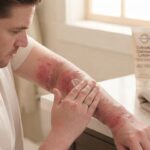
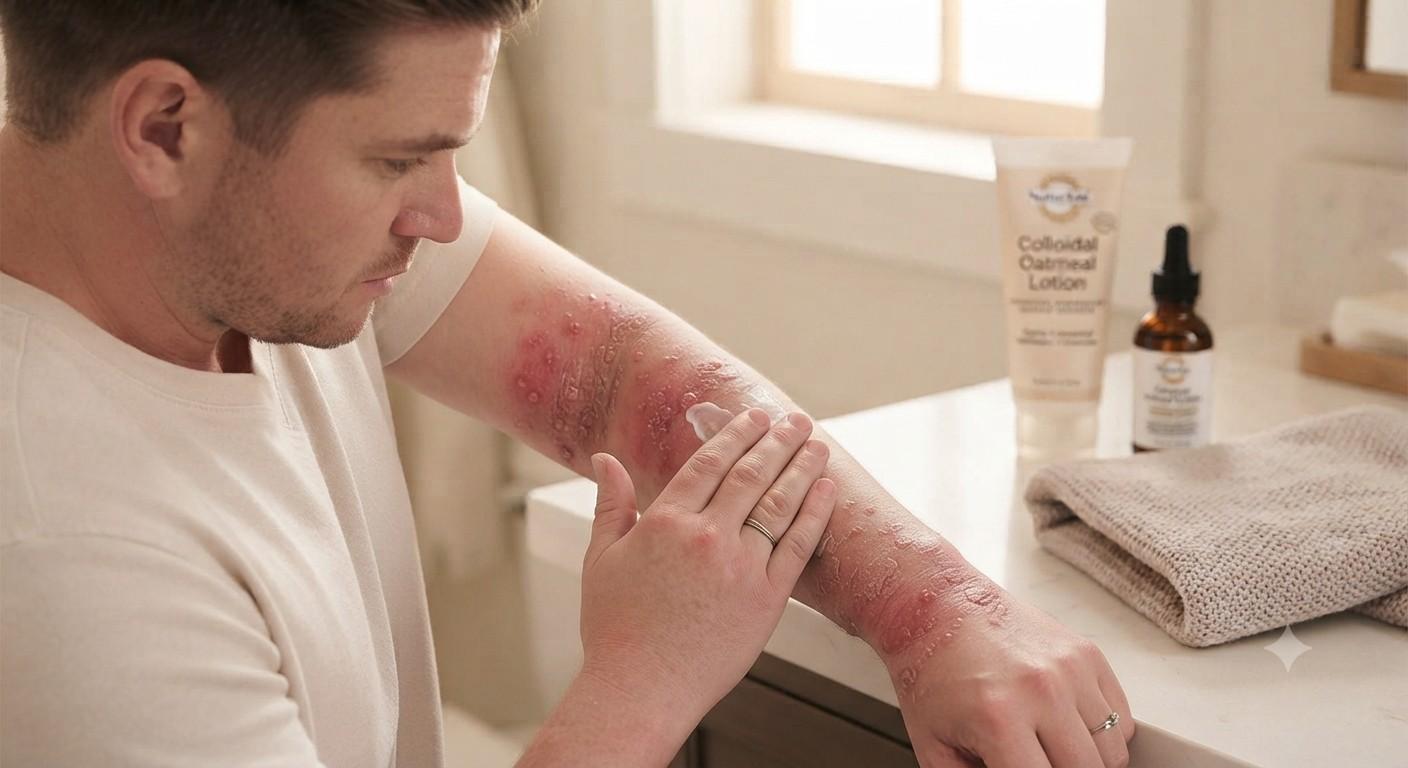
Eczema, also known as atopic dermatitis, is more than just “dry skin.” It is a complex condition that affects millions, causing persistent itching, inflammation, and discomfort. Managing it effectively requires a blend of consistency, patience, and the right approach to your daily environment.
If you are navigating the challenges of sensitive skin, you are not alone. By understanding the triggers and implementing a structured approach, you can significantly reduce the frequency and severity of flare-ups.
What Triggers Eczema Flare-Ups?
Understanding what agitates your skin is the first step toward relief. While triggers vary from person to person, certain common factors often disrupt the skin barrier:
- Environmental Irritants: Fragrances in laundry detergents, harsh soaps, and even synthetic fabrics can cause instant reactions.
- Stress: High stress levels are known to trigger immune system responses that exacerbate skin inflammation.
- Temperature Changes: Rapid shifts between extreme heat and cold, or very low humidity, often lead to moisture loss.
- Dietary Factors: For some individuals, certain food allergies—such as dairy, gluten, or nuts—can manifest as skin issues.
Building an Effective Eczema Skin Care Routine
A consistent skin care regimen is your strongest defense against irritation. The goal is to keep the skin hydrated and protected.
1. The Power of Gentle Cleansing
Avoid long, hot showers. Hot water strips natural oils from the skin, leaving it vulnerable. Instead, use lukewarm water and a soap-free, pH-balanced cleanser. When drying off, gently pat the skin with a soft towel—never rub.
2. Lock in Moisture Immediately
The “three-minute rule” is crucial: apply a high-quality moisturizer within three minutes of exiting the shower to trap dampness. Look for emollients that contain ceramides, which help repair the skin barrier.
3. Choose the Right Fabrics
Direct contact with rough materials can lead to mechanical irritation. Opt for breathable fabrics like organic cotton or bamboo, which allow the skin to regulate temperature without trapping sweat.
Natural Approaches and Professional Care
While home management is essential, it is important to know when to seek professional medical advice.
When to Consult a Dermatologist
If your skin is showing signs of infection (such as oozing, yellow crusts, or extreme swelling), home care is not enough. A medical professional can provide a tailored treatment plan, which might include medicated topical creams or light therapy.
Balancing Natural Remedies
Many people find relief through natural ingredients. Colloidal oatmeal baths can soothe itching, while pure, organic coconut oil is often used to provide a protective layer for the skin. However, always perform a patch test on a small area of your skin before applying any new substance to a larger surface.
Frequently Asked Questions (FAQs)
1. Is eczema contagious?
No, eczema is not contagious. You cannot catch it from or pass it to someone else. It is an inflammatory skin condition resulting from a combination of genetic and environmental factors.
2. Can diet permanently cure eczema?
There is no “cure” for eczema through diet alone. However, identifying and eliminating specific food triggers can help reduce the frequency and intensity of flare-ups for many people. It is best to consult with an allergist before making drastic dietary changes.
3. How often should I moisturize my skin?
At a minimum, you should moisturize at least twice a day. If you live in a dry climate or are experiencing a flare-up, applying moisturizer more frequently can help maintain the skin’s protective barrier.
4. Why does my eczema get worse at night?
Many people experience increased itching at night due to several factors, including lower cortisol levels in the body, which play a role in inflammation, and the tendency for the skin to lose more moisture while you sleep. Using a humidifier in the bedroom may help mitigate this.
Disclaimer: This information is for educational purposes and does not replace professional medical advice. Always consult with a healthcare provider regarding your specific skin condition.