
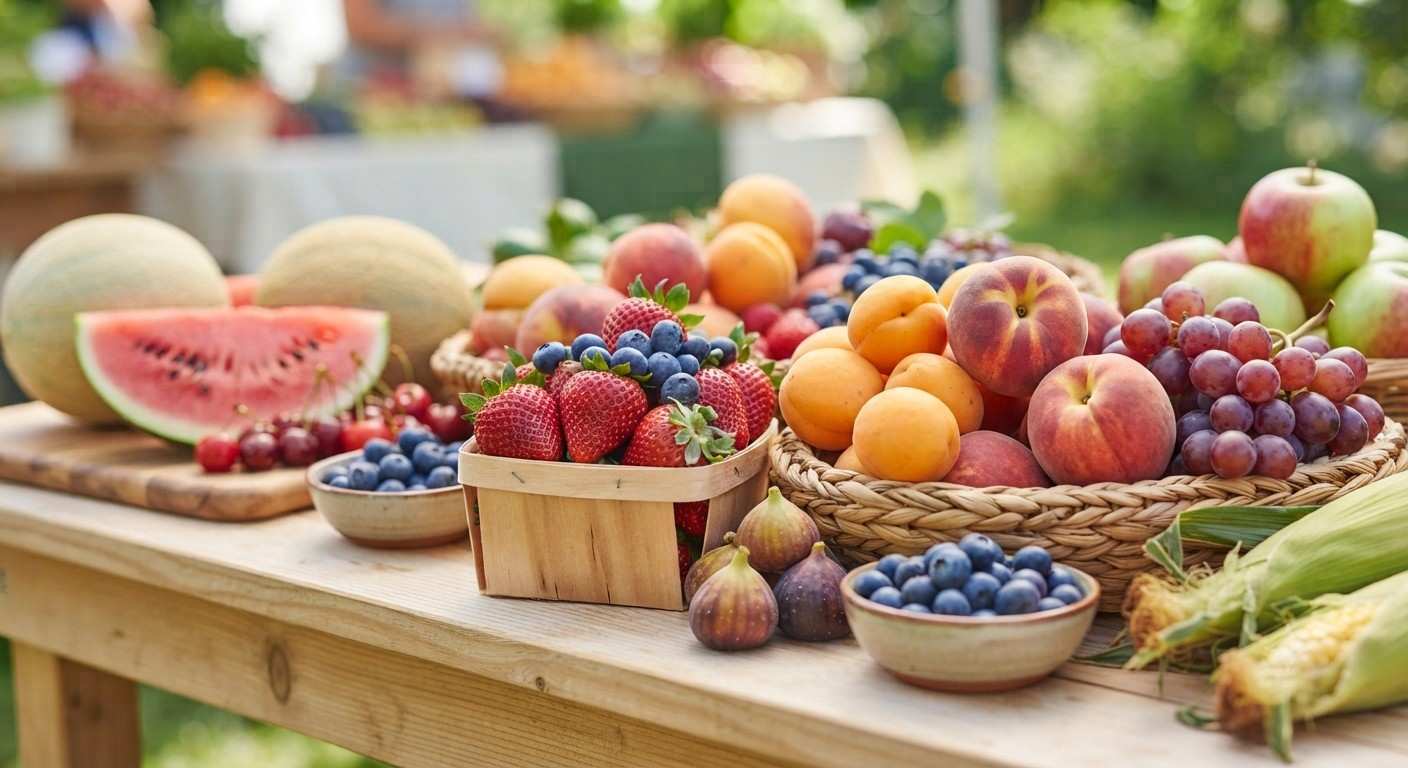
In a modern world where grocery stores offer almost every type of produce year-round, the natural rhythm of the harvest often gets overlooked. However, understanding the importance of seasonal fruits is more than just a culinary preference; it is a fundamental pillar of optimal nutrition and sustainable living. When you align your diet with the calendar, you are not just choosing food—you are choosing nature’s specific prescription for your body’s current needs.
The Nutritional Advantage of Nature’s Timing
The primary reason to prioritize seasonal produce lies in its nutrient density. Fruits harvested at their peak of ripeness have had the maximum amount of time to develop their full nutritional profile.
- Peak Nutrient Levels: When a fruit ripens on the tree or vine, it maximizes its vitamin, mineral, and antioxidant content. Fruits picked prematurely for long-distance transport often lack the depth of nutrients found in those that ripen naturally.
- Natural Compatibility: Interestingly, nature often provides what our bodies need most during specific times of the year. For instance, high-water-content fruits like melons and berries, which dominate the summer harvest, provide essential hydration during hot months. Conversely, citrus fruits, packed with Vitamin C, become abundant in colder months when the body requires extra immune support.
Environmental and Economic Impact
Choosing seasonal fruits is a conscious decision that ripples outward. By focusing on the harvest cycles, you are actively participating in a more sustainable food system.
Supporting Local Agriculture
When you buy in-season, you are more likely to be purchasing from local or regional farmers. This reduces the “food miles” associated with your diet—the distance produce travels from farm to plate. Lower transportation requirements mean a smaller carbon footprint and less reliance on heavy refrigeration or chemical preservatives used to keep out-of-season produce fresh during long voyages.
The True Cost of Convenience
While non-seasonal produce is available, it often comes at a higher price due to import costs, specialized storage, and artificial ripening techniques. Consuming produce within its natural season is almost always the most cost-effective way to maintain a high-quality diet.
How to Integrate Seasonal Eating into Your Life
Adopting this habit does not require a complete lifestyle overhaul. It begins with simple, informed choices at the market.
- Shop at Local Markets: Farmers’ markets are the best indicator of what is currently in season in your region.
- Observe the Produce Section: Notice which fruits are most abundant and prominently displayed; these are usually the ones at their peak.
- Learn the Cycles: Familiarize yourself with the harvest times in your specific climate. Being aware of the natural availability of fruits helps you plan your meals with intention rather than habit.
Balancing Quality and Consistency
It is important to approach seasonal eating with flexibility. While focusing on the importance of seasonal fruits is ideal, the goal is consistent healthy eating. If a specific fruit is not in season, frozen options are often an excellent, nutritionally dense alternative. Because frozen fruits are typically flash-frozen at peak ripeness, they retain almost all of their health benefits, offering a bridge for when fresh varieties are unavailable.
Ultimately, eating with the seasons is about fostering a connection with the environment and respecting the natural cycle of growth. It is a simple shift that yields profound rewards for your vitality and the health of the planet.
Frequently Asked Questions (FAQ)
1. Does eating out-of-season fruit provide any health benefits?
Yes, fruit is always a healthy choice regardless of the season. The primary difference is that seasonal fruits generally have a superior flavor and a slightly higher concentration of nutrients because they have ripened naturally on the plant.
2. How can I tell if a fruit is in season?
The most reliable way is to visit local farmers’ markets. The variety of produce there directly reflects the current harvest in your area. Additionally, many regions have simple seasonal guides available online that outline the harvest times for common fruits.
3. Is frozen fruit as healthy as fresh seasonal fruit?
In many cases, yes. Fruits intended for freezing are harvested at the peak of ripeness and processed immediately, which “locks in” their nutritional value. They are an excellent way to maintain a healthy diet when your favorite fruits are not currently in season.
4. Does seasonal eating help with weight management?
Yes, by focusing on whole, seasonal fruits, you are naturally incorporating more fiber, water, and essential vitamins into your diet. This naturally promotes satiety and supports stable energy levels, which can be a helpful component of a balanced weight management strategy.