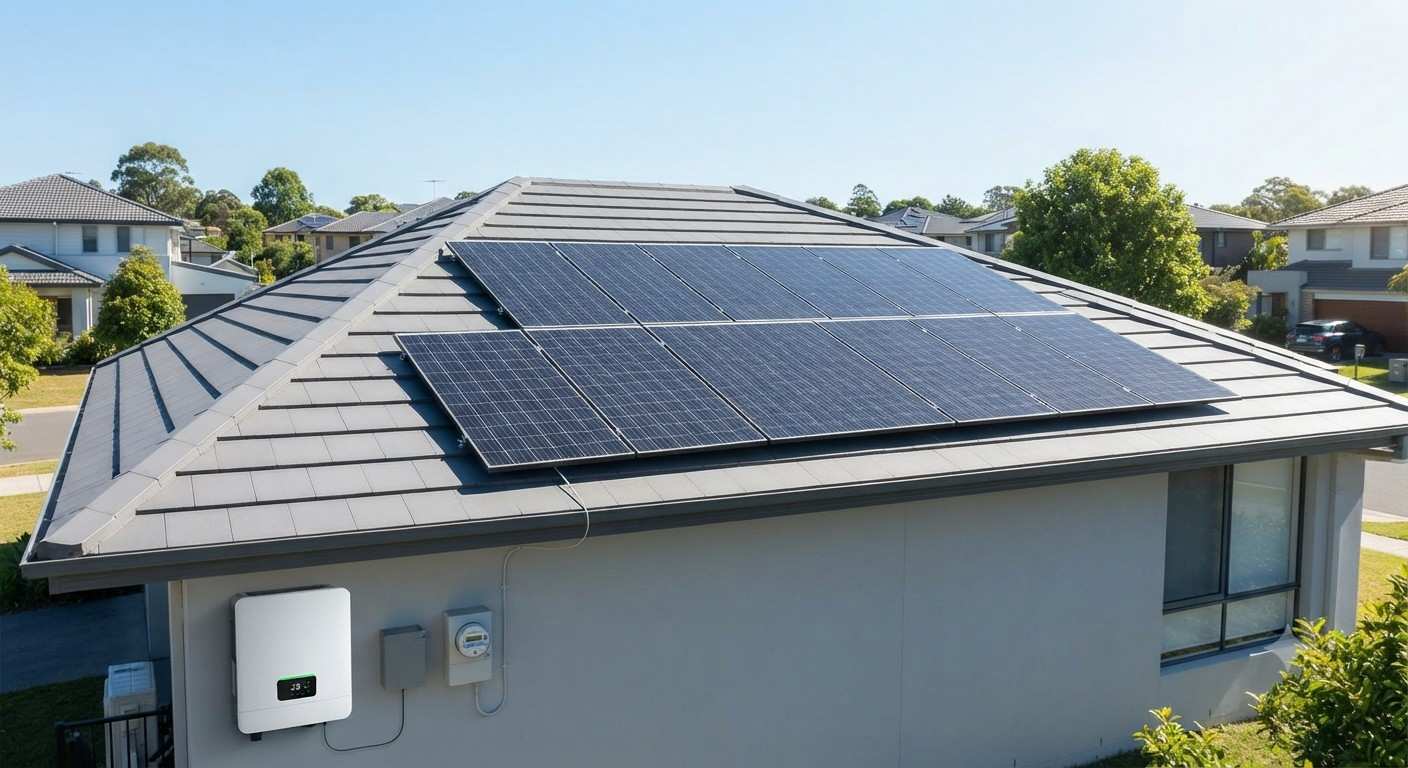
The transition to solar energy is no longer just an environmental statement; for many homeowners, it is a strategic financial decision. As utility costs continue to fluctuate globally in 2026, understanding how to maximize the efficiency of your photovoltaic (PV) system is essential for achieving true energy independence and significant monthly savings.
Understanding the Basics of Solar Energy Efficiency
At its core, a solar system is an investment in your home’s infrastructure. However, installing panels is only the first step. To effectively reduce electricity bills with solar power, you must treat your energy consumption as a managed resource.
The primary factor in high-yield solar performance is the alignment and maintenance of your hardware. Even a 5% drop in efficiency due to dust accumulation or shading can significantly impact the amount of power you draw from the grid, thereby reducing your potential savings.
Key Strategies to Optimize Solar Performance
To ensure your system operates at peak capacity, consider the following best practices:
- Routine Maintenance: Keep your panels free from debris, bird droppings, and leaves. In 2026, automated cleaning robots are becoming more common for larger arrays, but manual cleaning remains highly effective for residential setups.
- Load Shifting: The most common mistake homeowners make is using high-energy appliances (like washing machines or dishwashers) at night. Run these devices during peak sunlight hours to utilize the power generated directly from your panels, rather than relying on battery storage or the grid.
- Energy-Efficient Upgrades: Pair your solar setup with energy-efficient appliances. A solar system works best when the home it powers is already optimized to consume less energy.
- Monitoring Systems: Utilize modern inverter monitoring apps to track your energy production in real-time. This helps you identify if a specific panel is underperforming due to localized shading.
Managing the Financial Aspect: Grid-Tied vs. Off-Grid
When looking at maximizing solar energy savings, the choice between a grid-tied system and an off-grid system with battery storage is crucial.
| System Type | Pros | Cons |
| Grid-Tied | Lower initial cost, reliable backup from grid. | No power during blackouts (without storage). |
| Off-Grid | Complete independence, no monthly bills. | High upfront investment for large battery banks. |
If your goal is primarily to lower your monthly utility bill, a grid-tied system remains the most cost-effective solution for most households in 2026.
The Role of Battery Storage in 2026
Energy storage technology has seen significant advancements this year. While the upfront cost is higher, integrating high-capacity lithium-iron-phosphate (LFP) batteries allows you to store excess energy generated during the day for use during peak evening hours when electricity rates are typically highest.
Expert Note: Before investing in battery storage, evaluate your local “Net Metering” policies. If your utility company offers a favorable feed-in tariff, it may be more profitable to sell excess power back to the grid rather than storing it.
Frequently Asked Questions (FAQ)
1. Does weather affect my solar panel efficiency?
Yes, but perhaps not as much as you think. While solar panels are most efficient in direct sunlight, they still generate electricity on cloudy days. In 2026, advanced thin-film and monocrystalline technology allow for decent energy production even in low-light conditions.
2. How often should I clean my solar panels?
In most regions, rain does a decent job of keeping panels clean. However, if you live in an area with high dust or pollution, cleaning them every 3 to 6 months can improve efficiency by 10% to 15%. Always use water and a soft cloth; avoid harsh chemicals.
3. Will solar panels completely eliminate my electric bill?
It depends on your system size and local utility regulations. While many homeowners reach “Net Zero” (where they produce as much as they consume), you may still have fixed grid connection fees depending on your local provider’s policy.
4. How do I know if my roof is suitable for solar panels?
A professional solar installer will conduct a site assessment looking at roof orientation, pitch, and structural integrity. In general, south-facing roofs (in the Northern Hemisphere) provide the best potential for energy generation.
Disclaimer: This guide is intended for informational purposes and based on general industry practices as of 2026. Always consult with a certified local solar installer to evaluate your specific property requirements and local grid regulations