
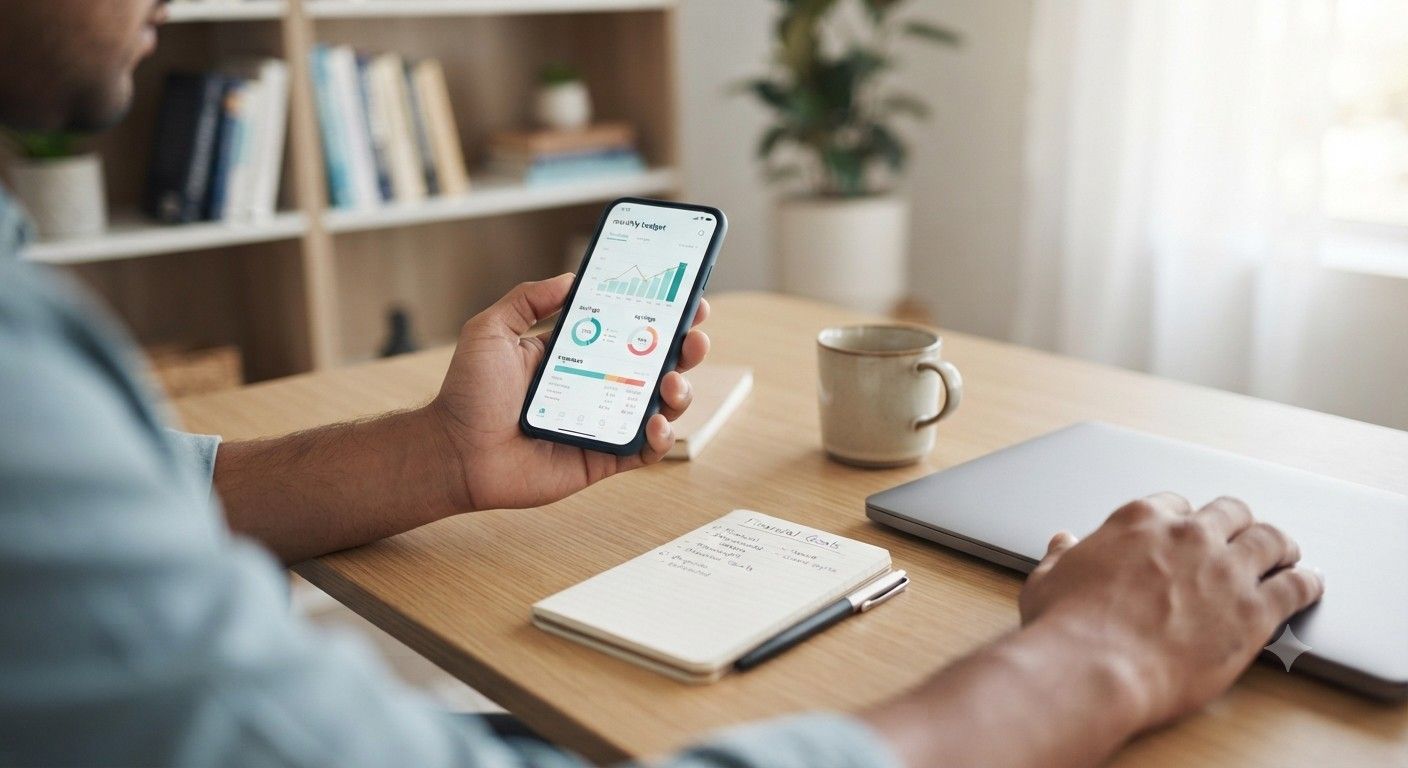
Achieving financial freedom is rarely about how much you earn; it is consistently about how much you keep. In 2026, the economic landscape is shifting, and the traditional methods of budgeting are evolving. To build a secure future, you need a strategy that moves beyond simple cost-cutting and embraces smarter financial habits.
Whether you are saving for a milestone, building an emergency fund, or simply trying to get ahead of inflation, these actionable steps will help you regain control of your finances.
The Foundation of Modern Budgeting
Before you can master your savings, you must understand your cash flow. Relying on guesswork is the primary reason most people fail to meet their financial goals.
- Automated Tracking: Use modern digital tools to categorize your spending in real-time. Knowing exactly where your money goes is the first step toward reclaiming it.
- The 50/30/20 Rule: A balanced approach where 50% of your income covers essentials, 30% goes to lifestyle choices, and 20% is prioritized for savings and debt repayment.
- Identifying ‘Lifestyle Creep’: Be mindful of small, recurring expenses that expand as your income grows. Frequently auditing your subscriptions and recurring payments is essential.
Strategic Cost-Cutting Without Sacrificing Quality
Saving money does not mean living in deprivation. It means being intentional with your spending. When you prioritize value over convenience, your savings account grows naturally.
Optimizing Daily Expenses
Small leaks sink large ships. Audit your weekly spending by identifying non-essential items that do not provide long-term value.
- Meal Planning: Preparing meals at home is one of the most effective ways to lower your monthly expenditure. It reduces impulsive buying and promotes healthier choices.
- Energy Efficiency: With rising utility costs, simple changes like upgrading to LED lighting or utilizing smart thermostats can yield significant savings over a year.
Managing Large Purchases
Always apply the ’48-Hour Rule’ for non-essential purchases. If you want something, wait 48 hours before buying it. This cooling-off period eliminates emotional spending and helps you decide if the item truly adds value to your life.
Smart Savings Habits for 2026
In an era of digital banking, you can leverage technology to build your wealth silently.
The Power of Micro-Savings
If you struggle to save large chunks of money, try micro-saving. By transferring small, manageable amounts to a high-yield savings account immediately after receiving your paycheck, you ensure that savings are treated as a ‘bill’ that must be paid, rather than an afterthought.
Understanding High-Yield Accounts
Do not let your savings sit in a standard checking account where they lose value to inflation. Research high-yield savings accounts that offer competitive interest rates, ensuring your money works as hard as you do.
Pros and Cons of Common Saving Methods
| Method | Pros | Cons |
| Strict Budgeting | Total control, fast debt reduction. | Can be restrictive, difficult to sustain. |
| Automated Savings | Removes human error, builds consistency. | Requires initial setup and discipline. |
| Cash-Only Envelopes | Prevents overspending, high awareness. | Inconvenient for digital transactions. |
Frequently Asked Questions (FAQs)
1. What is the fastest way to start saving money?
The fastest way is to perform a ‘financial audit’ of your last three months of bank statements. Identify three non-essential recurring expenses and cancel them immediately. Redirect that exact amount into a separate savings account.
2. Is it better to save money or pay off debt first?
This depends on interest rates. If your debt has a high interest rate (such as credit cards), prioritize paying that off, as the interest you save is often higher than the interest you would earn in a savings account.
3. How can I save money while living on a low income?
Focus on the ‘variable’ costs. Small, consistent changes in grocery shopping, energy usage, and transportation can accumulate to significant savings. Even saving a small percentage of your income regularly creates a positive habit.
4. What are the best tools for tracking expenses?
There are many user-friendly budgeting apps and spreadsheet templates available. The best tool is the one you find easiest to use consistently. Whether it is an app or a simple manual ledger, the consistency of tracking is more important than the complexity of the tool.