
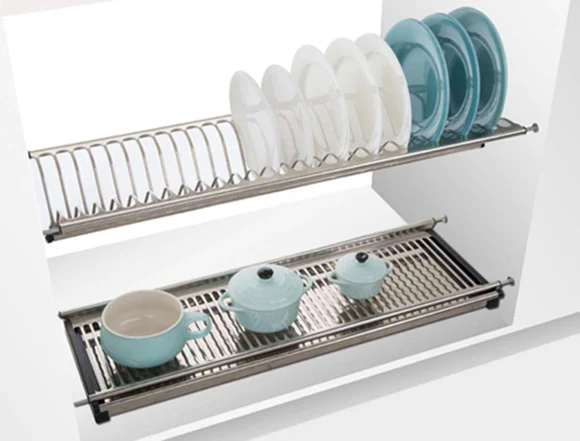
A well-organized kitchen is the heart of a productive home, and at the center of that organization is the humble dish rack. While it may seem like a simple utility item, the right choice can significantly improve your daily routine, protect your dinnerware, and keep your countertops clutter-free. In 2026, the market offers sophisticated designs that prioritize both hygiene and space efficiency.
This guide explores everything you need to consider to select the perfect drying solution for your specific kitchen setup.
Understanding Your Space and Needs
Before diving into features, evaluate your available space. A common mistake is purchasing a rack that fits the aesthetic but overwhelms the workspace.
- Countertop Capacity: If you have ample space, a large, multi-tier rack can accommodate pots, pans, and full dinner sets. For compact apartments, consider over-the-sink models.
- Drainage Flow: Effective drainage is the most critical factor for hygiene. Always look for designs that direct water straight into the sink to prevent stagnant pools that harbor bacteria and cause water spots.
- Material Durability: Stainless steel remains the gold standard in 2026. Look for high-grade rust-resistant finishes, as cheap chrome plating can peel over time, leading to unsightly oxidation.
Key Features of Modern Dish Racks
Modern design isn’t just about looks; it is about modularity and adaptability. Here are the features that elevate a basic rack to a kitchen essential:
1. Modular and Adjustable Components
The best racks feature removable cutlery holders and adjustable plate slots. This flexibility allows you to customize the rack to fit large platters one day and delicate glassware the next.
2. Specialized Glassware Protection
Fragile crystal or expensive glassware requires a rack with dedicated, rubber-coated hooks. This minimizes the risk of chipping or scratching, providing peace of mind during the drying process.
3. Low-Profile Over-the-Sink Designs
If your priority is reclaiming counter space, roll-up or telescopic over-the-sink racks are the leading choice in 2026. They provide a stable platform for drying while keeping the workspace underneath entirely clear.
Maintenance and Hygiene Best Practices
Even the highest quality rack requires regular care. To ensure your kitchen remains sanitary:
- Weekly Sanitization: Wipe down the tray and base with a gentle, non-abrasive cleaner. Stainless steel components can often be polished to maintain their sheen.
- Hard Water Management: If you live in an area with hard water, mineral deposits can accumulate on the rack’s surface. A quick vinegar-based rinse every two weeks is an effective way to keep your rack looking brand new.
- Avoid Overloading: While heavy-duty racks can handle substantial weight, overloading can obstruct airflow. Proper spacing between dishes is essential for rapid evaporation.
Selecting the Right Material: Pros and Cons
| Material | Pros | Cons |
| Stainless Steel | Highly durable, rust-resistant, modern aesthetic. | Higher initial cost. |
| Silicone | Heat resistant, dishwasher safe, space-saving. | Can be less stable for heavy items. |
| Bamboo/Wood | Sustainable, attractive, warm aesthetic. | Requires frequent drying to avoid mold. |
Frequently Asked Questions (FAQ)
1. How do I prevent water spots on my stainless steel dish rack?
Water spots are usually caused by mineral deposits. Drying the rack after use or using a microfiber cloth to wipe it down periodically will keep it clear. If spots persist, a light wipe with white vinegar usually dissolves the minerals.
2. Is an over-the-sink rack better than a countertop model?
It depends on your layout. An over-the-sink rack is superior for small kitchens because it eliminates clutter. However, if you prefer your sink area completely clear for food preparation, a compact, high-quality countertop model is more practical.
3. Can I put my dish rack in the dishwasher?
Many silicone and smaller wire racks are dishwasher safe. However, most large stainless steel units are not meant for the dishwasher. Always check the manufacturer’s care instructions before attempting to clean the entire rack in an appliance.
4. How often should I replace my dish rack?
A high-quality stainless steel rack should last several years. You should consider a replacement if you notice persistent rust, broken welds, or if the plastic/silicone components become discolored or cracked, as these crevices can trap food particles.