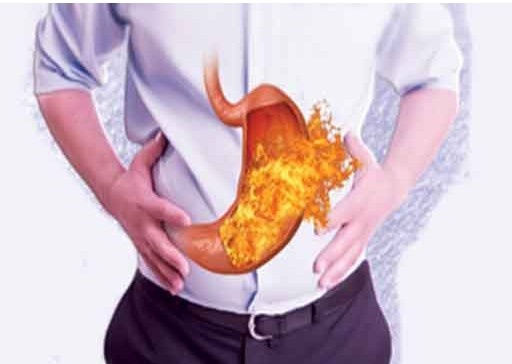
Acid reflux, commonly known as heartburn, is a sensation that millions of people experience at some point in their lives. It occurs when stomach acid travels back up into the esophagus, causing a burning discomfort in the chest or throat. While it is often just an occasional nuisance, frequent episodes can significantly impact your quality of life.
Managing this condition is not about finding a single “miracle cure,” but rather understanding how your daily habits influence your digestive system. By making consistent, small adjustments, you can often significantly reduce the frequency and intensity of your symptoms.
Recognizing the Triggers of Acid Reflux
Before addressing the solution, it is essential to identify why acid reflux happens. For many, certain lifestyle factors or dietary choices act as primary triggers. Understanding these is the first step toward effective management.
Common Dietary Culprits
Certain foods and beverages are known to relax the lower esophageal sphincter (LES)—the muscle that acts as a valve between your stomach and esophagus. When this valve doesn’t close properly, acid can escape.
- Spicy and Fatty Foods: These can slow down stomach emptying, keeping food in the stomach longer and increasing the pressure that pushes acid upward.
- Caffeinated and Carbonated Drinks: Caffeine can contribute to the relaxation of the LES, while carbonation can cause bloating, which increases gastric pressure.
- Citrus and Tomato-Based Products: These are naturally acidic and can irritate an already sensitive esophageal lining.
Lifestyle-Related Factors
It isn’t just about what you eat, but how and when you eat.
- Eating Before Bedtime: Lying down shortly after a meal allows gravity to work against you, making it easier for stomach contents to move into the esophagus.
- Large, Heavy Meals: Overeating puts significant physical pressure on the stomach, forcing the LES to open prematurely.
- Weight and Body Composition: Excess weight, particularly around the abdomen, adds pressure to the stomach, which is a common contributor to persistent reflux symptoms.
Evidence-Based Strategies for Relief
Managing digestive discomfort effectively involves a combination of dietary modifications and behavioral changes. Here are proven strategies that can help restore your comfort.
Optimize Your Eating Habits
- Smaller, More Frequent Meals: Instead of three large meals, try eating five smaller, nutrient-dense meals throughout the day. This reduces the load on your stomach and prevents excessive pressure.
- The “Three-Hour Rule”: Aim to finish your last meal at least three hours before you lie down to sleep. This gives your body enough time to digest your food properly.
- Mindful Eating: Chew your food thoroughly. Digestion begins in the mouth, and well-chewed food is easier for the stomach to break down quickly.
Dietary Adjustments
Focus on incorporating foods that are generally easier on the digestive tract:
- Fiber-Rich Foods: Incorporate whole grains like oatmeal, brown rice, and root vegetables. Fiber helps keep the digestive system moving efficiently.
- Lean Proteins: Choose chicken, fish, or plant-based proteins instead of high-fat cuts of meat.
- Alkaline Foods: Melons, bananas, and cauliflower are less acidic and may help neutralize stomach acid for some individuals.
Lifestyle Enhancements
- Elevate Your Sleep Surface: Using a wedge pillow to elevate your head and torso by a few inches while sleeping can help gravity keep stomach acid where it belongs.
- Manage Stress: There is a strong connection between the gut and the brain. High stress levels can exacerbate digestive issues, including reflux. Simple practices like deep breathing or gentle physical activity can make a meaningful difference.
- Monitor Your Progress: Keep a simple food diary for a week. Note what you eat and when your symptoms occur. You may discover personal triggers that don’t affect everyone else, allowing you to tailor your diet specifically to your needs.
When to Seek Professional Guidance
While lifestyle changes are highly effective for most, persistent or severe symptoms should not be ignored. If you find that your symptoms are frequent, interfering with your sleep, or causing difficulty swallowing, it is essential to consult a healthcare professional. They can help rule out underlying conditions and ensure that you receive the appropriate care for your specific health profile.
Frequently Asked Questions (FAQ)
1. Can drinking water help with acid reflux symptoms?
Drinking small sips of water can sometimes help wash acid back down into the stomach and soothe the esophagus. However, avoid chugging large amounts at once, as this can increase stomach pressure and potentially worsen the feeling of fullness.
2. Should I avoid all acidic foods completely?
Not necessarily. Everyone’s tolerance is different. The goal is not to eliminate everything you enjoy but to identify your personal triggers. If you notice a specific food consistently causes you discomfort, it is best to limit or avoid it, but there is no need for universal restriction if you don’t experience issues with a particular food.
3. Is chewing gum helpful for heartburn?
Some people find that chewing gum increases saliva production. Saliva acts as a natural buffer that can help neutralize acid in the esophagus and clear it more quickly. Opt for sugar-free gum, as sugar can sometimes aggravate digestion.
4. Does sleeping on my left side really make a difference?
Yes, anatomical studies suggest that sleeping on your left side can help reduce reflux. Because of the way the stomach is shaped, sleeping on the left side keeps the stomach acid below the level of the lower esophageal sphincter, making it physically harder for acid to enter the esophagus.