
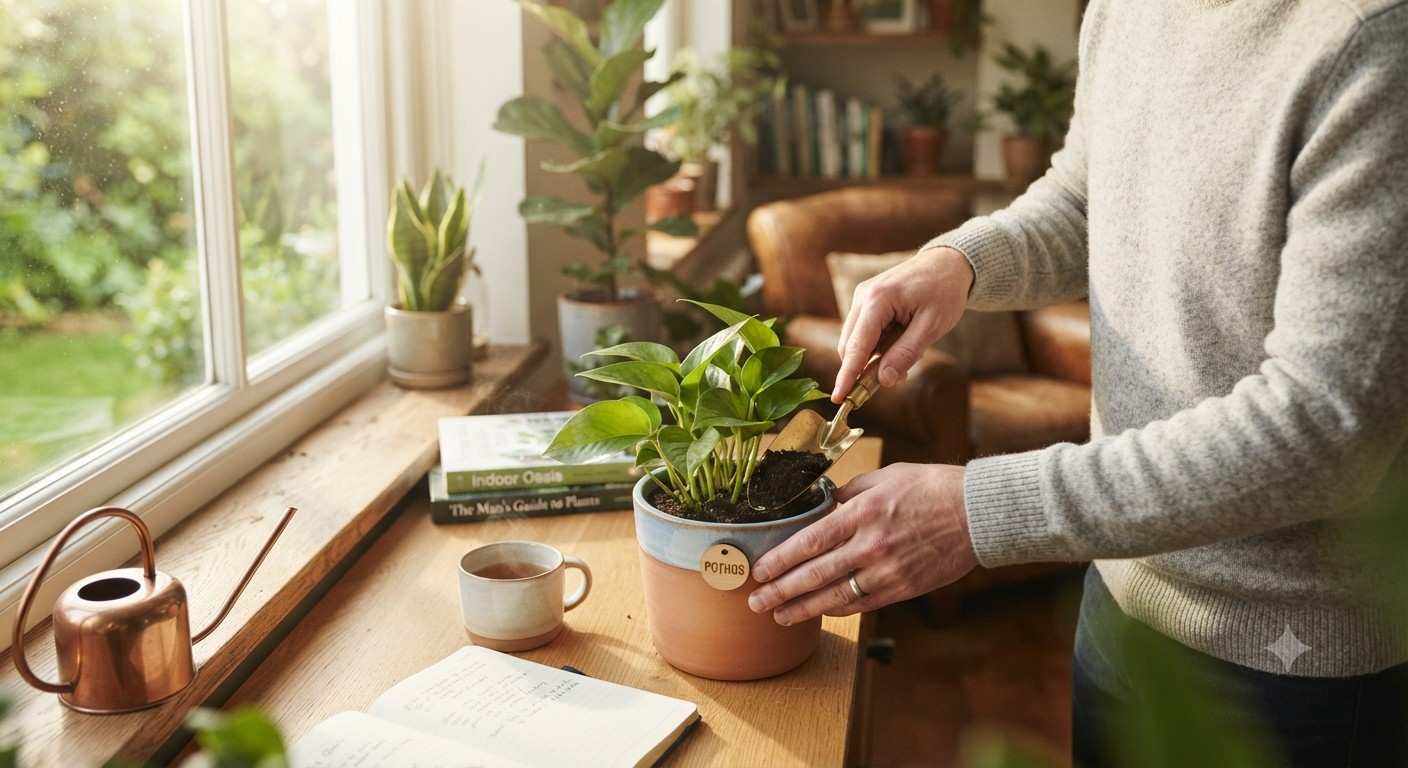
Bringing nature indoors is no longer just an aesthetic choice; it is a lifestyle shift that many are adopting in 2026 to enhance their quality of life. Whether you live in a sprawling house or a compact apartment, the presence of greenery creates a sanctuary that positively impacts your physical and mental health.
If you have ever wondered why walking through a park makes you feel instantly lighter, that same principle applies to your living space. Let’s explore how integrating indoor plants can transform your environment into a hub of productivity and peace.
1. Boosting Mental Clarity and Reducing Stress
In our fast-paced digital world, our brains often struggle to disconnect. Studies consistently show that interacting with nature, even at a micro-level, lowers cortisol levels—the hormone responsible for stress.
- Enhanced Focus: Having plants in your workspace helps you concentrate better by reducing mental fatigue.
- Calming Effect: The soft green hues and the act of caring for a living thing provide a rhythmic, meditative experience that anchors you in the present moment.
2. Natural Air Purification and Improved Breathing
One of the most significant benefits of growing plants at home is their ability to act as natural air filters. Plants absorb carbon dioxide and release oxygen, but they go a step further. They can actively trap airborne toxins and volatile organic compounds (VOCs) that are often found in household paints, furniture, and cleaning agents. By choosing air-purifying varieties, you ensure that the air you breathe is cleaner and healthier for your lungs.
3. Creating a Personalized Living Sanctuary
Your home is an extension of your personality. Adding plants allows you to curate an environment that feels alive. Unlike static decor, plants grow, change, and evolve with you. This creates a unique connection with your surroundings, making your house feel more like a home.
How to Choose the Right Plant for Your Space
Not every plant thrives in every corner. To ensure success, consider these factors:
- Light Conditions: Does your room get bright, indirect sunlight, or is it a low-light space?
- Maintenance Level: If you are a beginner, opt for hardy varieties that don’t require daily attention.
- Space Constraints: Hanging plants are perfect for small rooms, while floor plants make a statement in open living areas.
4. The Productivity Perk
Research in environmental psychology suggests that environments with natural elements improve task performance and creativity. If you find yourself hitting a creative block, simply shifting your gaze to a plant can provide the “cognitive restoration” your brain needs to start fresh.
Frequently Asked Questions (FAQ)
Which indoor plants are the easiest for beginners to care for?
For those just starting, Snake Plants, Pothos, and ZZ Plants are excellent choices. They are incredibly resilient, require infrequent watering, and can tolerate a variety of light conditions.
Can growing plants at home really help with allergies?
While plants can improve indoor air quality, it is important to choose the right ones. Some plants have high pollen counts or can trap dust on their leaves. By regularly wiping the leaves and choosing non-flowering varieties, you can minimize potential allergens.
How do I know if I am overwatering my indoor plants?
Yellowing leaves, mushy stems, and a persistent musty smell from the soil are clear indicators of overwatering. Always check the top inch of the soil with your finger; if it is still damp, wait a few more days before adding water.
Do indoor plants need specialized fertilizers?
Most indoor plants benefit from a balanced, liquid houseplant fertilizer during the growing season (spring and summer). However, always follow the specific instructions for each plant, as over-fertilizing can do more harm than good.