
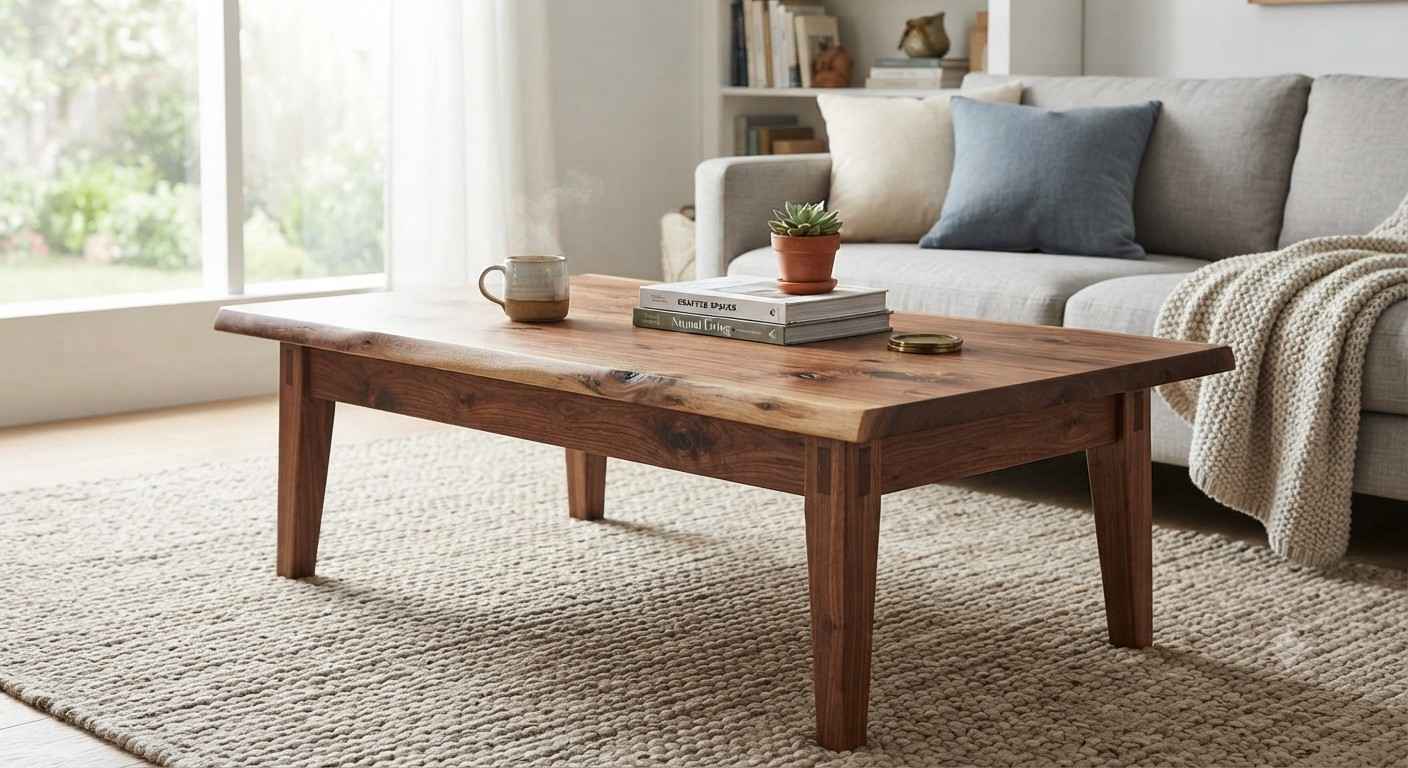
The coffee table is often considered the anchor of a living room. It is where you set your morning brew, display your favorite books, and gather around during conversations. While mass-produced furniture fills many homes, a handcrafted coffee table brings something unique to the table—literally. It is not just a piece of furniture; it is a statement of artistry, durability, and character.
Choosing a piece that has been shaped by human hands rather than an assembly line ensures that your home reflects a sense of intentionality. In 2026, as homeowners increasingly seek sustainable and unique interior solutions, the shift toward artisanal craftsmanship has never been more relevant.
Why Choose a Handcrafted Coffee Table?
When you invest in a handmade piece, you are moving away from the “disposable” culture of modern retail. Here is why choosing custom or artisanal work changes the dynamic of your living space.
Unmatched Quality and Durability
Handcrafted furniture is typically built using traditional joinery techniques—such as dovetails or mortise-and-tenon—rather than cheap staples or glue. A skilled artisan selects wood based on its grain pattern and structural integrity, ensuring the table is built to last for generations. Unlike particle board, which degrades over time, solid wood furniture ages beautifully, developing a rich patina that tells its own story.
A Unique Design Statement
Every piece of natural wood possesses distinct knots, grains, and color variations. When an artisan works with these materials, they highlight these natural characteristics rather than masking them. Consequently, your table becomes a one-of-a-kind sculpture. No two handcrafted tables are exactly the same, giving your home a layer of exclusivity that factory-made items simply cannot replicate.
Sustainable and Ethical Consumption
By purchasing handcrafted goods, you often support local artisans or small workshops that prioritize responsible sourcing. Many makers use reclaimed wood or timber harvested from sustainably managed forests. This reduces the carbon footprint associated with long-distance shipping and massive factory production, making it a conscious choice for the eco-friendly homeowner.
Selecting the Perfect Piece for Your Home
Before you bring a new center-piece into your living area, consider these functional aspects to ensure it fits your lifestyle.
- Proportion is Key: Ensure the table height aligns with your sofa cushions. Generally, a coffee table should be the same height or slightly lower than your sofa seat.
- Space Flow: Allow at least 18 inches of space between the table and the sofa to ensure comfortable legroom and easy movement around the room.
- Functionality: Do you have children or pets? Consider a design with rounded edges or a durable, matte finish that hides minor wear and tear better than high-gloss surfaces.
- Material Selection: Hardwoods like oak, walnut, and cherry offer superior longevity. If you prefer a rustic look, consider reclaimed barn wood, which offers a pre-weathered, storied aesthetic.
Caring for Your Artisanal Investment
To maintain the beauty of a handcrafted piece, it is important to treat it with care. Solid wood is sensitive to its environment.
- Avoid Direct Sunlight: Prolonged exposure to intense UV rays can cause the wood to fade or, in extreme cases, warp.
- Maintain Humidity: Extreme fluctuations in humidity can cause wood to expand or contract. Using a humidifier in the winter months helps keep the wood stable.
- Gentle Cleaning: Avoid harsh chemicals. A soft, damp cloth is usually enough to remove dust. If you need to polish, use a natural wax or oil recommended by the artisan to keep the wood hydrated and protected.
Frequently Asked Questions
1. Is a handcrafted coffee table more expensive than store-bought options?
Yes, typically the upfront cost is higher. However, when you consider that a handmade table can last a lifetime, whereas mass-produced furniture may need replacement every few years, the long-term value is significantly higher.
2. Can I request custom dimensions for my coffee table?
One of the greatest benefits of working with an artisan is the ability to customize. Most makers are happy to adjust dimensions to fit your specific floor plan, ensuring the piece fits your room perfectly.
3. Does solid wood furniture require a lot of maintenance?
Not at all. While it needs to be kept away from excessive heat and direct sunlight, it is far more resilient than composite materials. Simple, routine dusting and occasional oiling are usually all that is required.
4. How do I know if the wood was sourced ethically?
When you communicate with the artisan, feel free to ask about their materials. Most reputable craftsmen are proud to explain where their lumber comes from, whether it is reclaimed, locally sourced, or certified by sustainable forestry boards.